islammedia
Should Muslims Celebrate New Year?
When the world welcomes New Year with fireworks, parties, countdowns and celebrations, a Muslim’s heart reacts differently. Islam teaches us that the passing of time is not a festival — it is a reminder. Another year has gone from our life.
We are one year closer to death, one year closer to the grave, and one year closer to standing before Allah.
Allah reminds us clearly about the importance of time:
“By Time. Indeed, mankind is in loss, except those who believe, do righteous deeds, encourage truth, and encourage patience.”
(Qur’an — Surah Al-Asr 103:1–3)
This powerful reminder shows that every second that passes either benefits us or harms us.
New Year in Islam Is a Time to Reflect
Instead of celebrating, Muslims should reflect deeply. Ask yourself:
How much Qur’an did I read this year?
How was my Salah?
Did I improve my character?
Did I move closer to Allah or further away?
How many sins did I fall into?
How many blessings did I waste?
Think of those who were alive last year but are not with us today. One day, people will remember us the same way.
What Have We Lost This Year?
In the past year we may have lost:
Precious time that can never return
Opportunities to do good
Chances to help others
People we loved
Our health, strength, or wealth
Our connection with Allah
The Prophet ﷺ reminded us to value what we have before it disappears:
“Take advantage of five before five: your youth before old age, your health before sickness, your wealth before poverty, your free time before you become busy, and your life before your death.”
(Musnad Ahmad 12318 — Authentic)
Use New Year 2026 to Change Your Life
Islam encourages self-improvement and accountability. This is the mentality of a believer:
“The wise person is the one who calls himself to account and works for what comes after death.”
(Tirmidhi 2459)
So instead of celebrating New Year 2026, Muslims should:
Strengthen Salah and pray on time
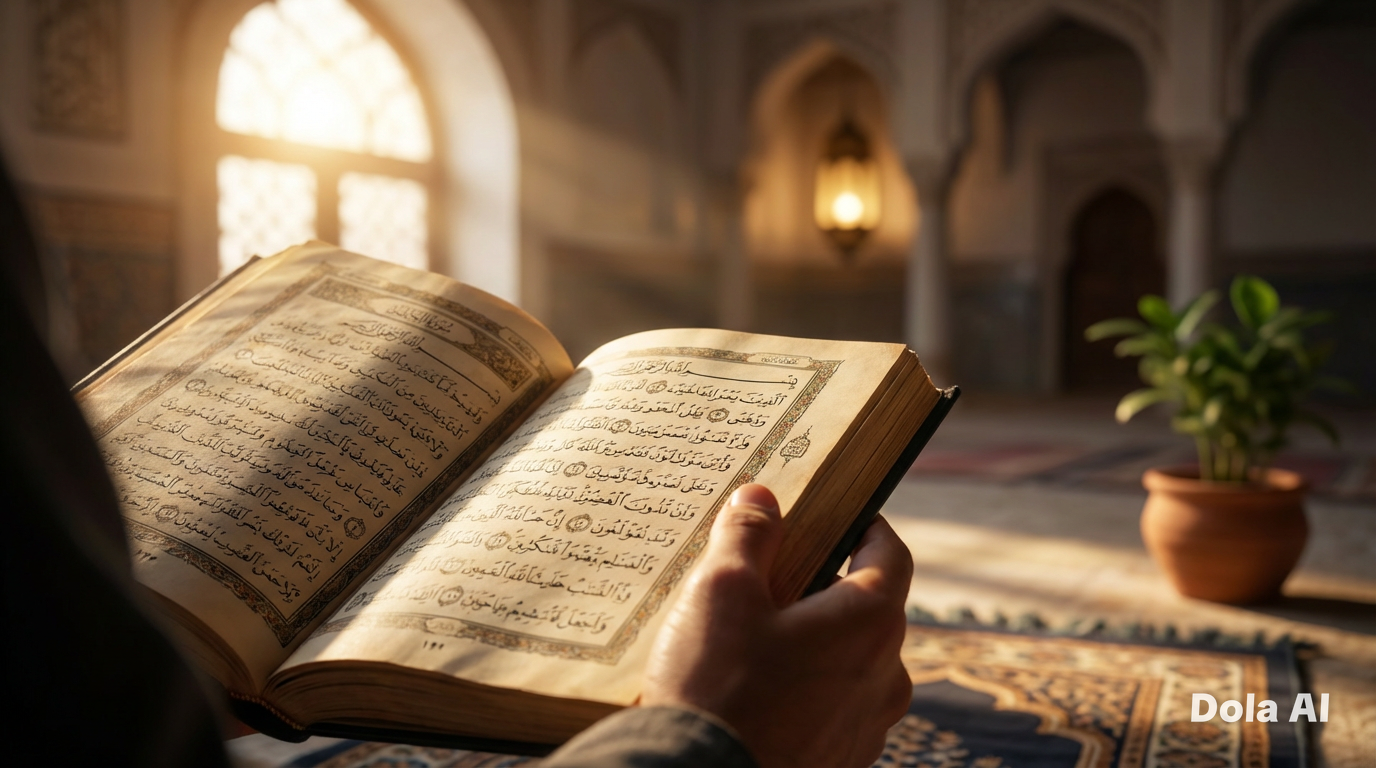
Build a daily habit of Qur’an recitation
Increase Dhikr and Dua
Make sincere Tawbah (repentance)
Fix relationships and forgive others
Help family, community, and the Ummah
Leave sins and bad habits
Allah tells us:
“O you who believe! Fear Allah, and let every soul look to what it has sent forth for tomorrow.”
(Qur’an — Surah Al-Hashr 59:18).
This ayah teaches us to look ahead — to the Day of Judgement — not only to the next year.
Practical Islamic Goals for 2026
Here are achievable goals for every Muslim:
Pray Salah on time daily
Learn and practice at least one new Sunnah habit
Read Qur’an daily, even a small portion
Spend more time with family in goodness
Donate regularly, even small amounts
Work on good character and kindness
Seek forgiveness every day
Small consistent actions are beloved to Allah.
Conclusion
New Year is not about fireworks or countdowns for Muslims. It is about reflection, self-accountability, and sincere change. Let 2026 be a turning point. Strengthen your Imaan, reconnect with Allah, and become a better Muslim.
May Allah forgive our past, bless our present, and guide our future.
May He make 2026 a year of Imaan, mercy, guidance and goodness for the entire Ummah.
Ameen.
Frequently Asked Questions (Islamic New Year & 2026 Reflection)
Do Muslims celebrate New Year?
Islam does not encourage celebrating Western New Year. Instead, Muslims should reflect, thank Allah and seek forgiveness.
Is saying Happy New Year allowed in Islam?
Scholars differ. Many allow simple greetings without celebration, while others discourage it. The safest approach is reflection and avoiding imitation of non-Islamic celebrations.
What should Muslims do at New Year?
Make dua, reflect, repent, and set Islamic goals for self-improvement.